
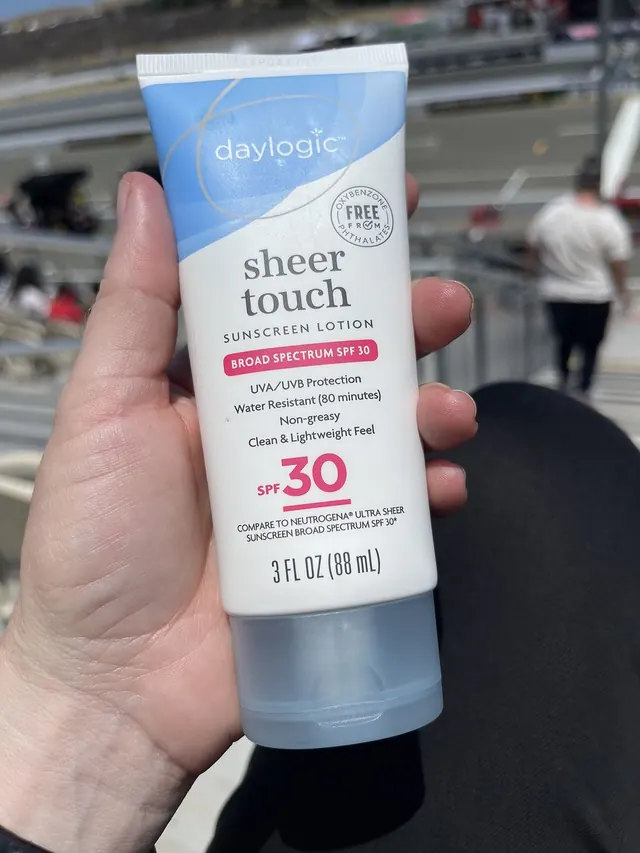
When shopping for daily sun protection, consumers intuitively gravitate toward the highest numbers on the display, assuming that an SPF 50+ or PA++++ bottle offers double the defense of an SPF 25 lotion. Yet back in the bathroom, that heavy bottle frequently triggers a cycle of frustration: thick formulas that cause midday forehead breakouts, white casts that alter foundation shades, or catastrophic "pilling" where moisturizer and sunscreen roll off in greasy gray flakes the moment makeup is applied.
Sun protection is not about buying maximum laboratory ratings. It is an exercise in matching your genuine daily ultraviolet exposure against cosmetic elegance and skin barrier tolerance.
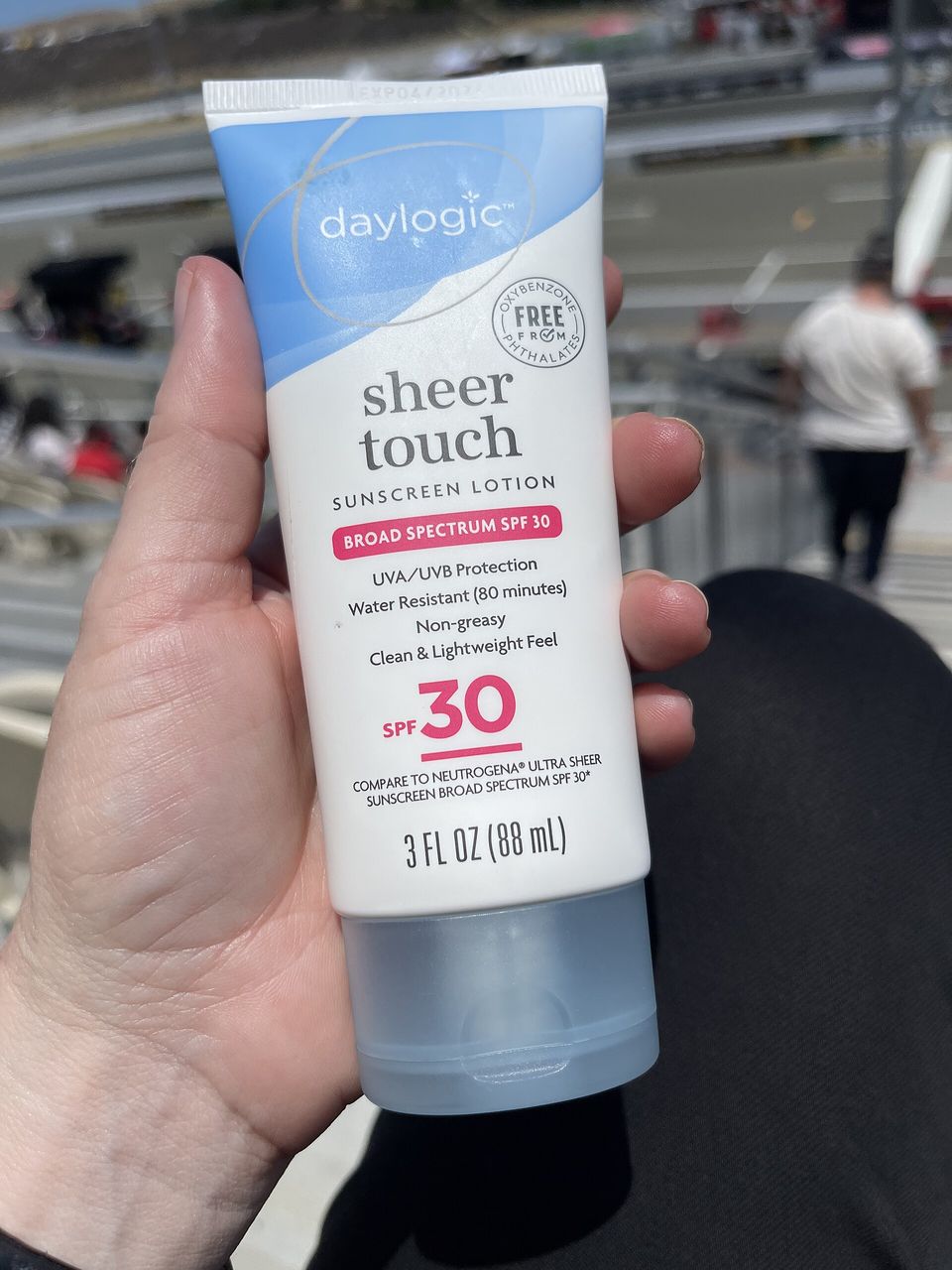
Mineral vs Chemical Filters: Mechanism and Skin Match
Understanding how UV filters operate is the first defense against stinging eyes and clogged pores. Modern sunscreens fall into three distinct formulation families:
| Comparative Dimension | Pure Mineral (Physical) | Pure Chemical (Organic) | Modern Hybrid Formulations |
|---|---|---|---|
| Active Filters | Zinc Oxide, Titanium Dioxide | Avobenzone, Octisalate, Tinosorb, Mexoryl | Micronized Zinc Oxide + Advanced Organic Filters |
| Protective Mechanism | Sits on skin surface; primarily reflects and scatters incoming UV | Absorbs UV photons and converts radiation into dissipating thermal energy | Dual-action scattering and photon absorption across full spectrum |
| Finish and Texture | Thicker viscosity; tendency toward chalky white cast and matte drying | Lightweight, completely transparent on deep skin tones, dewy finish | Balanced spreadability with minimal chalkiness |
| Ocular & Skin Sensitivity | Zero ocular stinging; completely inert on compromised epidermal barriers | Potential stinging around the eyelids; select older filters can irritate sensitive skin | Well-tolerated by most non-reactive skin profiles |
| Optimal User Profile | Rosacea, active eczema, post-laser recovery, acne-prone skin | Oily skin, active urban commuters, deeper skin tones | Normal to combination skin seeking seamless cosmetic layering |
If you suffer from active perioral dermatitis or post-treatment sensitivity, mineral zinc oxide remains an unmatched protective refuge. But for everyday office wear under foundation, modern organic filters eliminate the heavy masking effect entirely.
The Mathematics of SPF: Diminishing Returns
Many shoppers believe an SPF 50 blocks twice as much ultraviolet radiation as an SPF 25. This is mathematically incorrect. SPF measures the delay in solar erythema (UVB-induced burning), and actual ultraviolet attenuation follows a logarithmic curve:
$$ \text{UVB Blockage Percentage} = \frac{\text{SPF} - 1}{\text{SPF}} \times 100% $$
- SPF 15: Blocks 93.3% of UVB radiation.
- SPF 30: Blocks 96.7% of UVB radiation.
- SPF 50: Blocks 98.0% of UVB radiation.
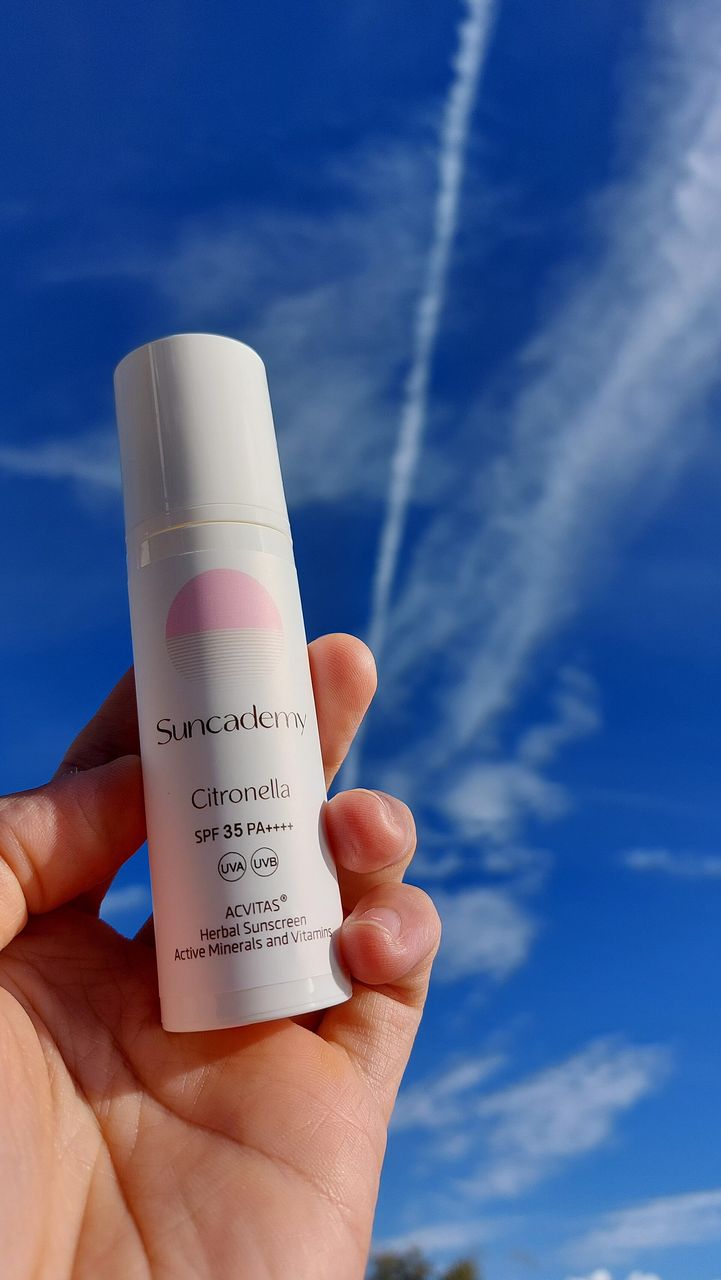
The progression from SPF 30 to SPF 50 yields a marginal gain of just 1.3% in additional photon filtration. However, achieving that extra 1.3% requires formulators to dramatically increase active filter loads and introduce heavy film-forming emulsifiers. For an urban professional spending 80% of the day inside a climate-controlled office, enduring clogged sebaceous glands for a 1.3% theoretical gain is poor risk-reward calculus.
The Daily Exposure Matrix: Commuting vs Active Outdoors
Select your daily sunscreen specifications based on physical exposure duration rather than marketing anxiety:
| Daily Lifestyle Scenario | UV Exposure Profile | Recommended Metric Target | Water / Sweat Resistance | Application & Reapplication Cadence |
|---|---|---|---|---|
| Corporate Desk Commute | 20 minutes walking / transit in morning and evening; indoors all day | SPF 30 / Broad Spectrum (or PA+++) | None required; opt for serum or fluid texture | Apply once generously at 8:00 AM; reapplication unnecessary unless seated at direct window |
| Urban Weekend Outing | Outdoor dining, street shopping, intermittent vehicle sunlight | SPF 30 to 50 / PA+++ | Light transfer-resistance recommended | Touch up exposed areas midday with an SPF powder or compact setting cushion |
| Outdoor Trail / Cycling | 3+ hours continuous midday exposure accompanied by active sweating | SPF 50 / PA++++ | Mandatory 80-minute Water Resistance | Pat dry with a microfiber towel and reapply a generous layer every 120 minutes |
| Alpine Skiing / Open Water | Severe UV reflected from snow or ocean waves; intense solar index | SPF 50+ / PA++++ (Reef-Safe) | Extreme sport water-resistance rating | Reapply every 60 to 80 minutes; require heavy physical barrier layers (hats/buffs) |
Eliminating Foundation Pilling: The Crosslink Window
Cosmetic pilling occurs when high-molecular-weight polymers in sunscreen are mechanically shredded by rubbing foundation over them before the film has stabilized.
[Morning Skincare] Minimal hydration: water-based toner + light moisturizer; skip heavy silicone serums
      ↓
[Measured Dose] Dispense 1/4 teaspoon (approx. two finger-lengths, 1.0 to 1.2 grams) for the full face
      ↓
[Directional Sweep] Smooth gently across the skin following facial planes; never scrub or buff in circles
      ↓
[The 10-Minute Lock] Allow 8 to 12 minutes for volatile solvents to evaporate and polymers to crosslink
      ↓
[Vertical Makeup Layer] Lightly press foundation using a damp beauty sponge; never drag a flat brush
The 2.0 mg/cm² Application Law
Laboratory SPF testing universally relies on an application density of 2.0 mg/cm². When users apply a pea-sized drop (approx. 0.25 grams) because an SPF 50 feels greasy, the actual protection level drops exponentially, not linearly. That SPF 50 bottle functions as less than an SPF 5 on your face.
Selecting an elegantly formulated SPF 30 fluid that you comfortably apply at the full 1/4-teaspoon standard delivers vastly superior real-world photoprotection compared to a heavy SPF 50+ that you skim across your cheekbones.