
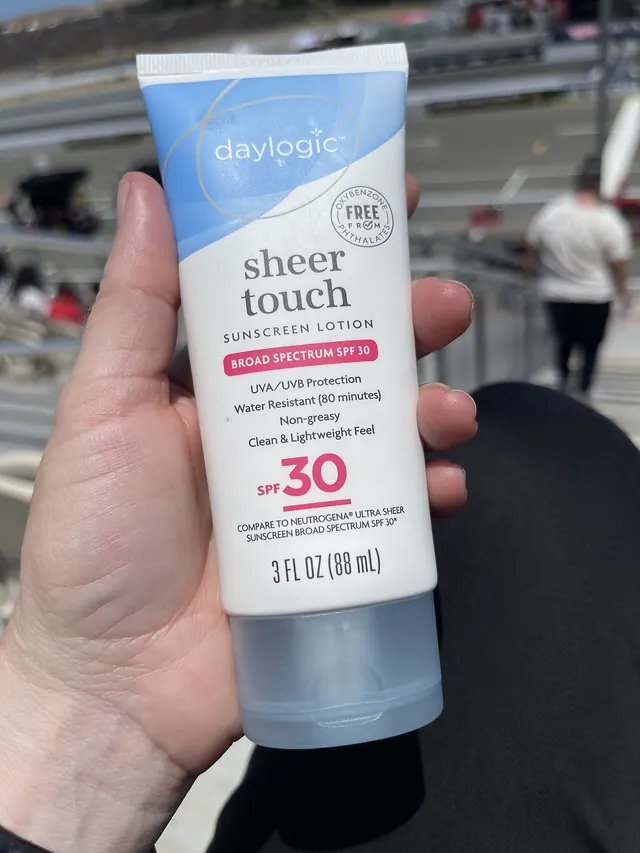
Most shoppers purchase facial sunscreen by glancing at the front label, trusting that a high SPF rating guarantees effortless daily protection. Yet many bottles end up abandoned in bathroom cabinets after a few uses. Some formulas leave a chalky white cast that turns olive or rich skin tones ash gray. Others cause stinging around the eyelids within minutes of stepping outside. Worst of all, many popular lotions roll into little white flakes the moment liquid foundation touches the face. The secret to whether a sunscreen delivers a comfortable finish or a cosmetic failure is printed directly on the active ingredients drug facts panel on the back of the bottle.
In the United States, sunscreens are legally regulated as over the counter drugs rather than simple cosmetics. Every formula sold through domestic retail channels must comply with monograph standards established by the Food and Drug Administration. Under these federal rules, active UV filters must be explicitly declared alongside their exact percentages by weight. The specific choice of UV filters dictates whether a product behaves as a pure mineral sunscreen, an organic chemical shield, or a hybrid emulsion. Understanding how active molecules behave under real lighting and under makeup protects your skin barrier without ruining your morning routine.
Mineral zinc oxide vs chemical UV filters: how reflection, absorption, and modern filter molecular size differ
To decode any sunscreen formula, you only need to examine the active drug listing for two specific mineral names, zinc oxide and titanium dioxide. Under current FDA sunscreen standards, these are the only two active ingredients classified as Category I Generally Recognized As Safe and Effective. Both ingredients are naturally occurring inorganic mineral compounds that form a physical barrier across the stratum corneum. Mineral particles sit on the skin surface to reflect incoming ultraviolet radiation while also absorbing ultraviolet photons directly, converting that energy into harmless low-level heat.
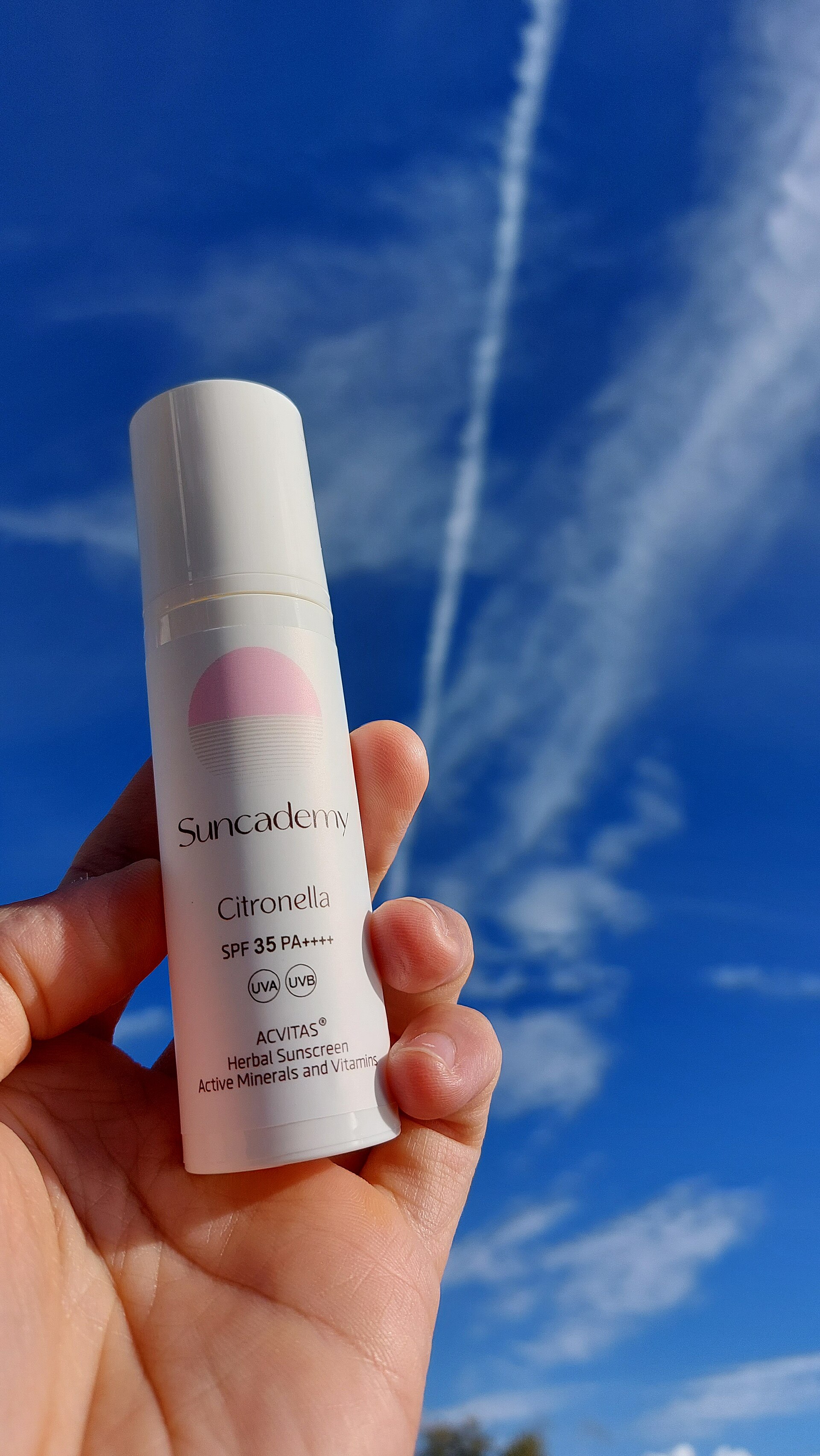
The primary practical advantage of pure mineral sunscreens is absolute biological gentleness. Zinc oxide and titanium dioxide do not break down upon sun exposure and do not cross through healthy skin cells. Because mineral particles remain on the surface of the skin, they do not trigger allergic contact dermatitis or release sudden heat that inflames broken capillaries. Hallmark mineral examples include the tinted EltaMD UV Physical Broad-Spectrum SPF 41 and La Roche-Posay Anthelios Mineral Zinc Oxide Sunscreen SPF 50. However, achieving high broad-spectrum protection requires substantial mineral loads, often between twelve and twenty-five percent zinc oxide, creating a dense paste that feels heavy and resists rapid blending.
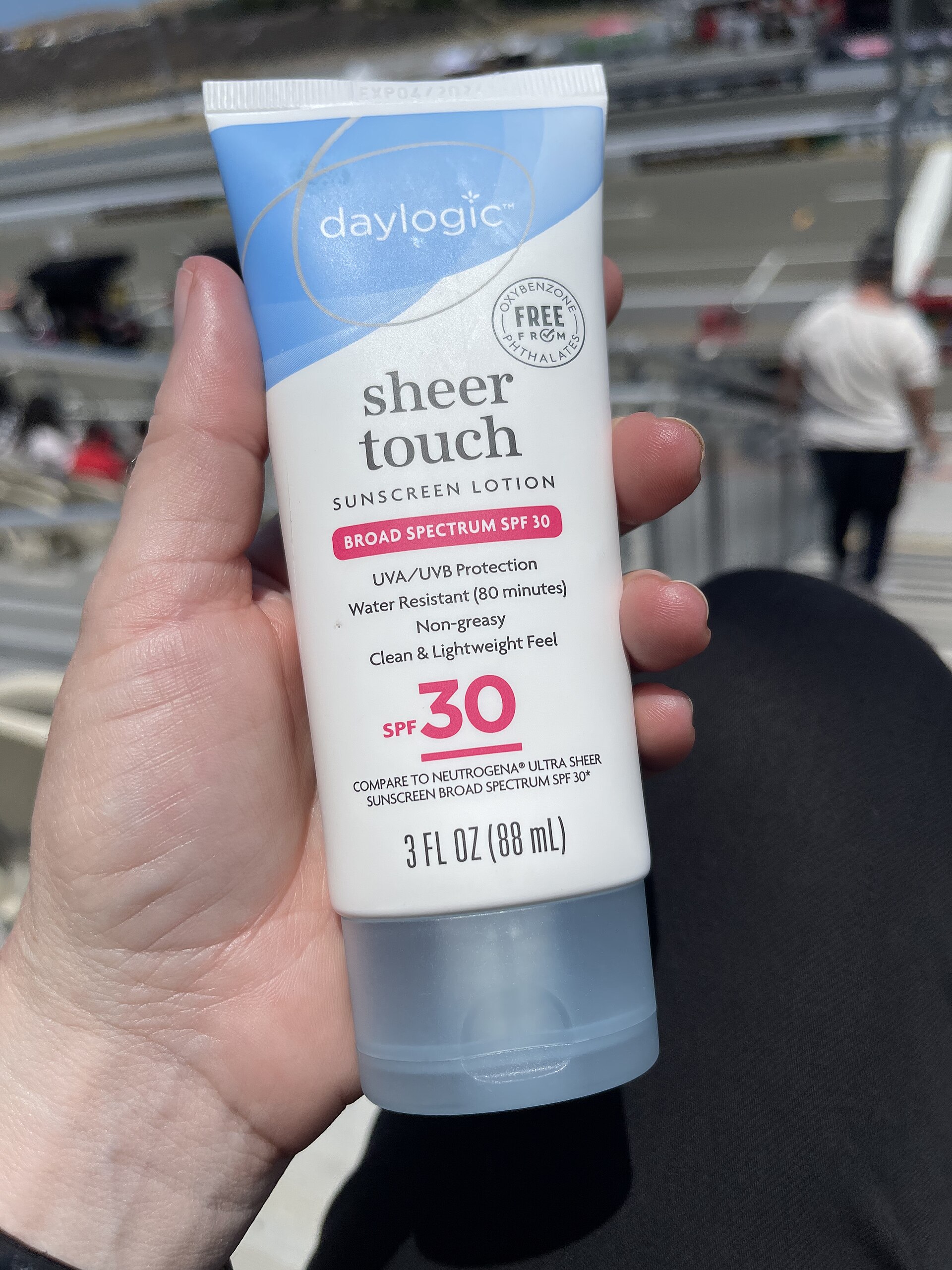
Pure chemical sunscreens operate through an entirely different biochemical mechanism. These formulations contain zero mineral powders, relying instead on soluble organic aromatic molecules that absorb ultraviolet light before it can damage cellular DNA. Chemical filters absorb UV rays and dissipate the absorbed energy as imperceptible heat. Hallmark pure chemical sunscreens include the transparent Supergoop! Unseen Sunscreen SPF 40, the European market La Roche-Posay Anthelios UVMune 400 fluid, and the cult-favorite Korean Beauty of Joseon Relief Sun Rice + Probiotics. Older chemical filters like avobenzone and oxybenzone are small molecules that can penetrate outer skin layers and occasionally trigger eye stinging. Modern chemical sunscreens, however, utilize advanced large-molecule filters like Tinosorb S and Mexoryl 400 with molecular weights over 500 Daltons. These cannot penetrate healthy skin, providing photostable, featherlight comfort.
Hybrid sunscreens bridge the gap between heavy mineral pastes and purely organic lotions. Formulators design hybrid sunscreens by pairing modest amounts of zinc oxide with approved chemical filters. The most famous example is EltaMD UV Clear Broad-Spectrum SPF 46, which combines zinc oxide with octinoxate. This synergy allows manufacturers to reduce concentrations of chalky white mineral powders while retaining a reliable inorganic baseline. Chemical filters capture passing rays that slip past dispersed mineral particles, producing a smooth lotion that glides effortlessly across the face with minimal drag.
| Formulation Profile | Representative Market Examples | Active Filter Basis | Optical Transparency | Dermal Tolerance | Optimal Skin Types | Removal Effort |
|---|---|---|---|---|---|---|
| Pure Mineral Sunscreen | EltaMD UV Physical SPF 41, La Roche-Posay Anthelios Mineral SPF 50 | Zinc oxide and titanium dioxide | Chalky white cast on medium to deep skin | Maximum gentleness, zero ocular burn | Reactive rosacea, post-procedure, eczema | High adhesion; requires cleansing oil |
| Modern Chemical Sunscreen | Supergoop! Unseen SPF 40, La Roche-Posay UVMune 400, Beauty of Joseon Relief Sun | Organic aromatic absorbers (Mexoryl 400, Tinosorb) | Fully transparent on all Fitzpatrick tones | Very gentle with modern large molecules | Oily, acne-prone, deeper skin tones | Cleanses easily with standard foaming wash |
| Hybrid Sunscreen | EltaMD UV Clear Broad-Spectrum SPF 46 | Blended zinc oxide and organic chemical filters | Semi-sheer, mild natural brightening | Well-tolerated across normal complexions | Normal, combination, and daily makeup wear | Moderate; depends on water-resistant resins |
Matching sunscreen formulas to oily acne-prone skin, reactive rosacea, and deeper skin tones
Recognizing the chemical category of a sunscreen is only the first half of the selection process. The second step requires matching the inherent trade-offs of that formula to your personal skin type, barrier tolerance, and natural complexion depth. No single sunscreen texture can satisfy every individual need, because physical mechanisms that provide exceptional gentleness for one skin condition often create functional drawbacks for another.
For individuals suffering from acute rosacea, active perioral dermatitis, severe eczema, or post-procedure skin sensitivity following laser resurfacing, pure mineral sunscreens like EltaMD UV Physical or La Roche-Posay Anthelios Mineral remain the clinical gold standard. Reactive skin barriers possess microscopic cracks in the lipid matrix, allowing low-molecular-weight chemical actives to penetrate directly to nerve endings and induce painful burning. Zinc oxide is uniquely suited to calm these conditions because the mineral compound itself possesses natural soothing properties. Mineral formulas are equally indispensable for sensitive eyes, where migration of chemical actives frequently causes tearing and burning.
The defining flaw of pure mineral sunscreen is its optical interaction with melanin. Because zinc oxide and titanium dioxide are bright white mineral pigments, they naturally scatter visible light wavelengths. When applying the clinically recommended dose of one quarter teaspoon for the face, this dense layer of white particles reflects ambient light directly back toward the viewer. On fair skin, this reflection creates a subtle brightening effect, but on medium, olive, brown, and deep complexions, it casts a ghostly blue-gray mask that looks unnatural. Furthermore, inorganic mineral powders naturally absorb surface lipids and moisture from the epidermis, causing dry and mature skin types to feel tight by mid-afternoon.
For oily complexions, acne-prone skin, and deeper Fitzpatrick skin types, modern chemical sunscreens deliver superior daily performance. A formula like Supergoop! Unseen Sunscreen or Beauty of Joseon Relief Sun dissolves organic filters entirely within lightweight fluid bases, leaving zero particulate residue on the face. Because active molecules are fully transparent, they blend invisibly into any skin tone without altering natural complexion warmth or collecting in facial hair. Furthermore, oily skin benefits immensely from fluid, water-based chemical formulations that eliminate heavy mineral powders. When high concentrations of mineral dust mix with excess natural sebum, the mixture can accumulate inside pore openings, forming stubborn plugs that trigger breakouts.
For consumers who demand broad-spectrum mineral protection but cannot tolerate a chalky ghosting effect, tinted mineral sunscreens like EltaMD UV Physical provide a practical compromise. Formulators incorporate calibrated blends of iron oxides into the zinc base to counteract white pigment scattering. Iron oxides also deliver an essential functional benefit by blocking high-energy visible light from the sun and computer screens, a primary trigger for melasma and dark spots in deeper complexions.
Why sunscreen pills under foundation and the three-minute film-forming rule that fixes morning makeup
Among all sunscreen frustrations, none is more universally aggravating than spending ten minutes layering morning skincare, smoothing on sunscreen, and then watching foundation roll into rubbery little gray pills the moment it touches the face. Consumers almost always blame the sunscreen formula itself, assuming they purchased a defective product. Cosmetic pilling is rarely caused by a single rogue bottle. It results from chemical incompatibility and mechanical friction between skincare thickeners, sunscreen polymers, and makeup pigments.
The primary chemical catalyst behind cosmetic pilling is excessive morning stacking of high-molecular-weight gel thickeners. Many popular hydrating serums, plumping essences, and gel creams rely on carbomer, xanthan gum, or high-weight hyaluronic acid to create a bouncy, gel texture. These long polymer chains expand in water to hold moisture in place. However, carbomers carry a distinct negative electrical charge. When slathering a mineral sunscreen containing zinc oxide directly over a wet carbomer gel, positively charged mineral particles rapidly neutralize the polymer network. The polymer chains instantly curl up, lose water solubility, and precipitate out as tangible solid clumps. The moment fingers rub across the skin, this microscopic precipitate rolls into obvious noodles of waste.
The second mechanical trigger for morning pilling is premature physical disruption of the sunscreen film. To provide water resistance and withstand facial movements, modern facial sunscreens rely on acrylic copolymers or silicone resins. When spreading a sunscreen across your face, volatile carrier fluids and water must evaporate steadily into the air, allowing polymer chains to link together and form a continuous, flexible protective film over the stratum corneum. If you apply liquid foundation immediately over wet, tacky sunscreen, the sliding friction of your fingers or makeup brush drags across the fragile polymer layer before it cures. Mechanical friction tears the setting film into sticky ribbons, which wrap around colored pigments of your foundation and ball up into flakes.
Eliminating morning makeup pilling requires implementing a disciplined three-step protocol that respects the chemical boundaries of cosmetic emulsions.
The first step is simplifying your morning skincare routine by removing heavy gel-based hydrators. Morning skincare should focus strictly on lightweight, rapidly absorbing fluids. Save thick carbomer-laden plumping serums, sticky snail mucin gels, and rich facial oils for nighttime repair. A gentle rinse followed by a single lightweight hydrating toner or antioxidant fluid is all you need before sunscreen. In fact, sunscreens like Beauty of Joseon Relief Sun or EltaMD UV Clear feature humectant systems containing glycerin and niacinamide, allowing them to serve comfortably as your morning moisturizer without an intervening product layer.
The second step is strictly observing the three-minute film-forming rule. When applying facial sunscreen, avoid rubbing palms vigorously in circles, which thins out the protective layer unevenly. Instead, dot sunscreen across forehead, cheeks, nose, and chin, then smooth it outward along facial contours in gentle, single-direction strokes. Once lotion is evenly distributed, allow the formula to sit completely undisturbed for three minutes. Use this window to brush your teeth or get dressed. After three minutes, perform a quick tactile check with the back of a clean, dry finger. The surface should feel dry, smooth, and resilient, with zero wet tackiness. This tactile shift confirms that volatile solvents have evaporated and the polymer shield has completed its cure.
The third step is modifying makeup application technique to eliminate horizontal friction. Never use stiff, flat foundation brushes or fingertips to drag liquid makeup across a freshly set sunscreen film. Rubbing back and forth applies intense shear force that can dislodge even a cured acrylic polymer layer. Instead, use a soft teardrop makeup sponge thoroughly saturated with water and squeezed dry in a towel, or use a plush cushion puff. Pick up a small amount of liquid foundation and apply it to the face using strictly vertical pressing and bouncing motions. Bouncing the damp sponge presses makeup pigments flat against the exterior of the sunscreen barrier without disturbing the underlying film. This vertical technique preserves full UV protection, prevents white polymer pilling, and keeps your makeup smooth, luminous, and intact throughout the day.